Post-Pregnancy Intimacy: Reconnecting With Your Body and Partner
Post-Pregnancy Intimacy: Reconnecting With Your Body and Partner
The baby has arrived. The adrenaline of the birth has faded, replaced by a haze of sleepless nights, diaper changes, and a body that feels drastically different than it did nine months ago. At your 6-week checkup, the doctor gives the "all clear" for intimacy. But for many new parents, that green light feels more like a stop sign.
Let’s be honest: Post-partum intimacy is complicated. It is a messy mix of hormonal crashes, physical healing, identity shifts, and pure exhaustion. At Pleasura, we want you to know one thing: You are normal. Whether you are ready to go at week 6 or barely thinking about it at month 6, your timeline is valid. Reconnecting doesn't happen overnight, but with patience and the right approach, you can find your way back to your body and your partner.
Who This is For
This guide is a judgment-free zone for new parents who feel disconnected from their sexual selves. Whether you are six weeks or six months postpartum, if you are feeling broken, uninterested, or anxious about intimacy, this article explains the "why" behind those feelings and offers gentle, non-pressure steps to reconnect.
The Physical Reality: Why It Might Hurt
Even if you had a "smooth" delivery, your body has been through a marathon. Your pelvic floor has been stretched, and if you had a C-section, you are recovering from major abdominal surgery.
The Hormonal Desert: If you are breastfeeding, your body suppresses estrogen production. Low estrogen mimics menopause. The result? Vaginal dryness and thinner, more fragile tissues. Penetration that used to be easy might now feel like sandpaper.
The Fix: Lubrication is not optional; it is mandatory. You need a high-quality, moisturizing water-based lubricant. Don't just apply it to your partner; apply it internally to yourself a few minutes before intimacy to let the tissues hydrate.
The Myth of "Bouncing Back"
Society tells women to "bounce back" after birth, as if the pregnancy was a minor injury. This mindset is toxic. You have gone through a metamorphosis. Your body has expanded, shifted organs, and produced a human. Mourning your "old" body is a normal part of the process. Accepting your "new" body—with its softness, scars, and different sensations—is the first step toward enjoying it again. You are not trying to go back to who you were; you are learning who you are now.
The "Touched Out" Phenomenon
New moms often suffer from being "touched out." After holding a baby, rocking, nursing, and being a human jungle gym all day, your sensory bucket is full. The last thing you want is another pair of hands on you—even loving ones.
The Solution: Reclaim your bodily autonomy. You need to feel like yourself before you can feel like a lover. Take 15 minutes for a solo shower where no one touches you. Ask your partner for a "no-strings" back rub where you explicitly agree that it will NOT lead to sex. This builds trust that touch can just be nurturing, not demanding.
Redefining Sex: The "Outer-Course" Approach
If the idea of penetration is scary or painful, take it off the table. Seriously. Redefine sex as "Outer-course."
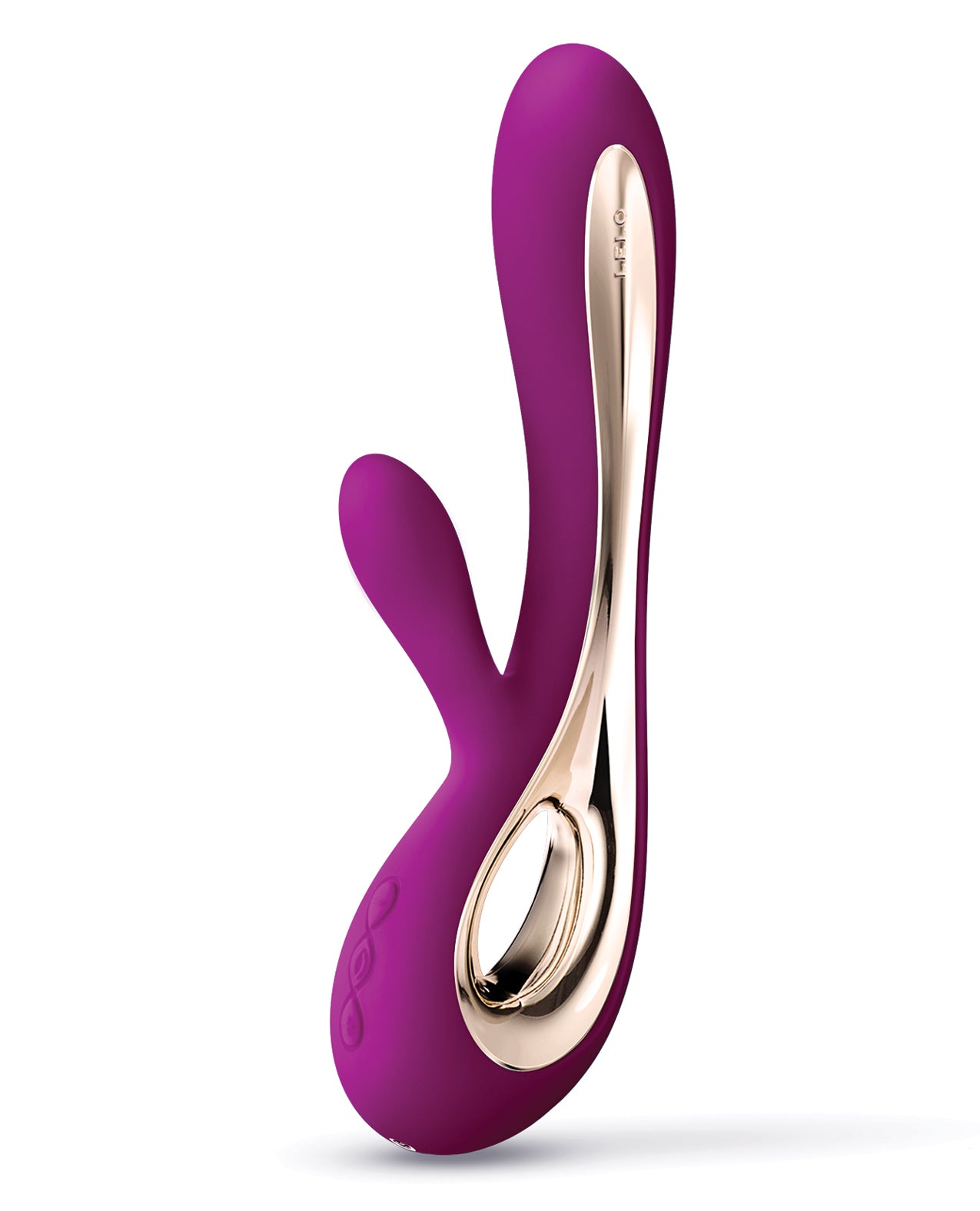
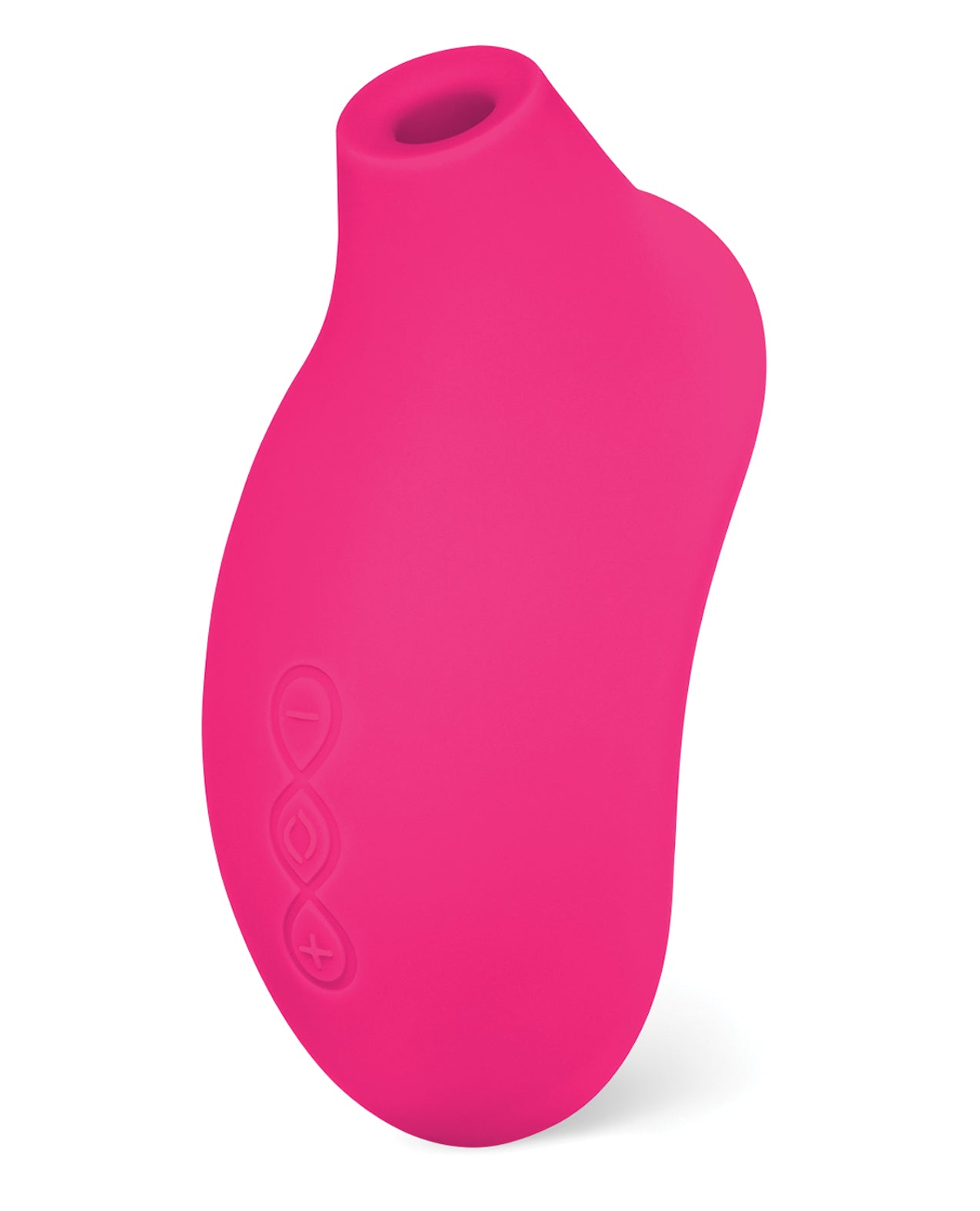
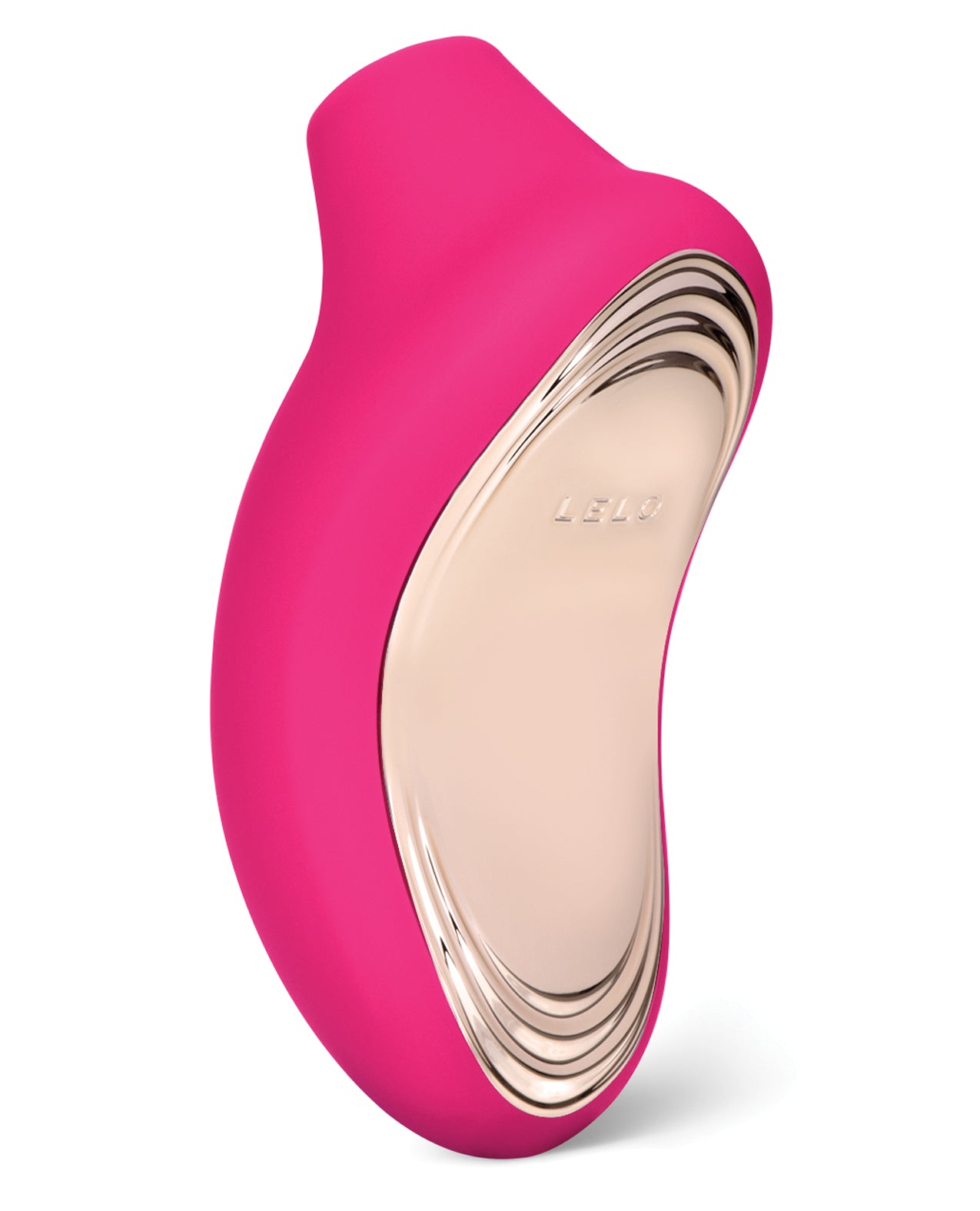
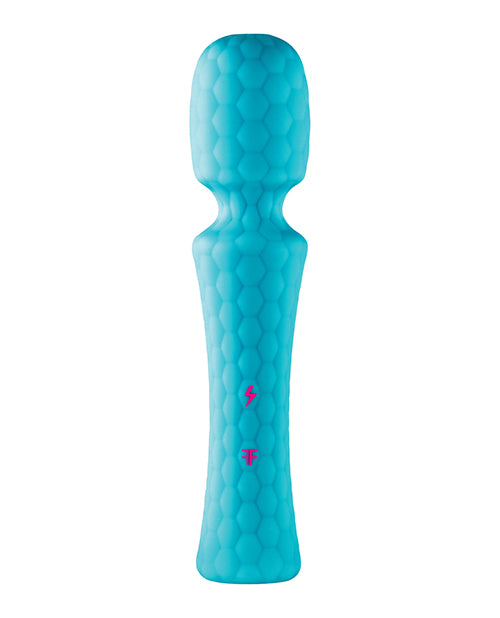
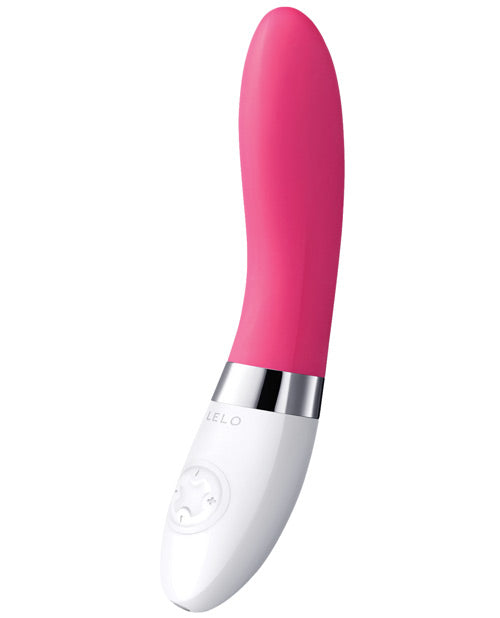
The clitoris is usually unaffected by birth trauma. Focusing on external pleasure allows you to experience intimacy without the pressure of insertion. This is a great time to introduce a broad, rumbly wand massager. The strong vibrations can help "wake up" nerves that might feel numb or disconnected, providing a shortcut to pleasure when you are tired.
For the Partner: Patience is the Aphrodisiac
To the non-birthing partner: Your role is crucial. The biggest turn-off for a new mom is feeling pressured. Pushing for sex before she is ready creates aversion and anxiety.
Instead, focus on non-sexual intimacy. Do the dishes without being asked. Hold the baby so she can nap. Tell her she looks beautiful in her sweatpants. Intimacy starts in the kitchen and the nursery, not the bedroom. When she feels supported and rested, libido has a chance to resurface.
For the Partner: Dealing with Rejection. It is common to feel rejected or unloved when your partner has zero interest in sex. Understand that this is rarely personal. It is a resource management issue. Her body is giving 100% of its resources to the baby. When you withdraw affection because you aren't getting sex, it confirms her fear that she is only valuable as a sexual object. Staying present and affectionate without expectations is the fastest way to make her feel safe enough to want you again.
Re-Training the Pelvic Floor
Pregnancy places immense strain on the pelvic floor muscles. A weak floor can lead to reduced sensation during sex or accidental leaks (stress incontinence).
Kegels 2.0: It’s not just about squeezing; it’s about functional recovery. Once you are fully healed (check with your provider), consider using Kegel weights (Ben Wa balls). These provide biofeedback to help you locate and strengthen those muscles. A stronger pelvic floor means better support for your organs and stronger orgasms.
The Identity Shift: Mom vs. Lover
One of the hardest parts of post-partum life is switching hats. It’s hard to feel sexy when you are covered in spit-up and wearing a nursing bra. This is psychological, not physical.
Practical Tip: Create a transition ritual. It can be as simple as changing out of "mom clothes" into something that makes you feel good (even if it's just clean pajamas), brushing your teeth, or putting on perfume. These small signals tell your brain: "Baby time is over; couple time is starting."
Common Mistakes to Avoid
- Suffering in Silence: If it hurts, stop. Pushing through pain trains your brain to associate sex with pain, which can lead to long-term vaginismus.
- Comparing to Pre-Baby Life: Your body is different now. It might respond differently. Approach it with curiosity ("What does this feel like now?") rather than judgment ("Why doesn't this feel like it used to?").
- Skipping the Lube: Even if you never needed it before, you likely need it now. It’s not a failure; it’s a biological necessity.
- Assuming Libido Returns Instantly After Weaning: Many people think the day they stop breastfeeding, their drive will skyrocket. Hormonal regulation takes time—often months. Give your body a grace period to re-calibrate its estrogen levels.
- Turning Intimacy into a "Chore": Scheduling sex is helpful, but treating it like a to-do list item ("Let's get this over with so we can sleep") kills the vibe. Keep the schedule, but focus on connection. If sex doesn't happen, spend that scheduled time cuddling or talking instead.
Conclusion
There is no deadline for your sex life. You created a human life; give yourself grace while you recreate your intimacy. It might look different than before—maybe slower, maybe more intentional, maybe with more props—but it can be deeper and more profound than ever before.
Common Mistakes in Post-Partum Intimacy
The road back to intimacy is paved with good intentions but bad execution. Avoid these traps:
- The "Calendar Watch": Just because the doctor said "6 weeks" does not mean you must have sex on day 43. That is a medical clearance for wound healing, not an emotional clearance for readiness. Treating it as a deadline creates massive anxiety.
- Skipping the Foreplay: Pre-baby, you might have been ready in 5 minutes. Post-baby, due to low estrogen, you might need 20-30 minutes of warm-up. skipping this leads to pain, which reinforces the brain's idea that "sex = bad."
- Ignoring the Breasts: If you are breastfeeding, your breasts might have shifted from "erotic zones" to "food sources" in your mind. Touching them might result in leaking milk or feeling "touched out." Be honest if you want the chest area off-limits for a while.
Real-Life Scenarios
Scenario A: The "Crying Baby" Interruption
The Situation: You finally get in the mood. Things are heating up. The baby monitor screams. The mood pops like a balloon.
The Fix: Humor. If you get angry or tragic about it, it ruins the night. If you can laugh ("Well, boss is calling"), tend to the baby, and then agree to just cuddle or try again tomorrow, you preserve the connection without the pressure.
Scenario B: The Body Image Block
The Situation: Maya had a C-section and hates her scar. She keeps her t-shirt on during sex and won't let her partner touch her stomach. This withdrawal makes her feel distant.
The Fix: Exposure therapy. Maya starts by touching her own scar with a nice oil, reclaiming it. Later, she guides her partner's hand over it (over the shirt first) to prove to her brain that it's safe. Intimacy is about acceptance.
When This Advice May Not Be Enough
Post-partum challenges are normal, but some things require medical intervention:
- Postpartum Depression (PPD): If your lack of libido is accompanied by hopelessness, inability to bond with the baby, or scary thoughts, this is PPD. You need a doctor, not a vibrator. Therapy and medication can save lives (and libidos).
- Pelvic Organ Prolapse: If you feel a "heaviness" or bulging in the vagina, you may have a prolapse. Kegels might not be enough; you need a specialist.
- Granulation Tissue: If sex feels sharp or stinging specifically at the site of a tear/stitch long after healing, you might have scar tissue that needs treatment (silver nitrate) from your OBGYN.
Frequently Asked Questions
Will sex feel different forever?
It might feel different for a while, but for most women, muscle tone returns and sensation normalizes. In fact, many women report that sex becomes better post-baby because they have a new appreciation for their body's capabilities and less inhibition.
I’m leaking urine during sex. Is this normal?
It is common, but it isn't "normal" in the sense that you have to live with it forever. It is a sign of a weak pelvic floor. See a pelvic floor physical therapist if you can. They can give you exercises to fix the issue.
I have zero libido while breastfeeding. Why?
This is biology protecting the baby. High prolactin (milk hormone) and low estrogen (sex hormone) naturally suppress libido to prevent another pregnancy too soon. It is temporary. It will return when you wean or when your cycle returns.
How do we find time with a crying baby?
You don't find time; you make it. It’s unromantic, but schedule it. "Saturday during the 2 PM nap" is a date. Quickies are also your friend. Abandon the idea of the hour-long marathon and embrace the 15-minute connection.
Is it safe to use toys post-partum?
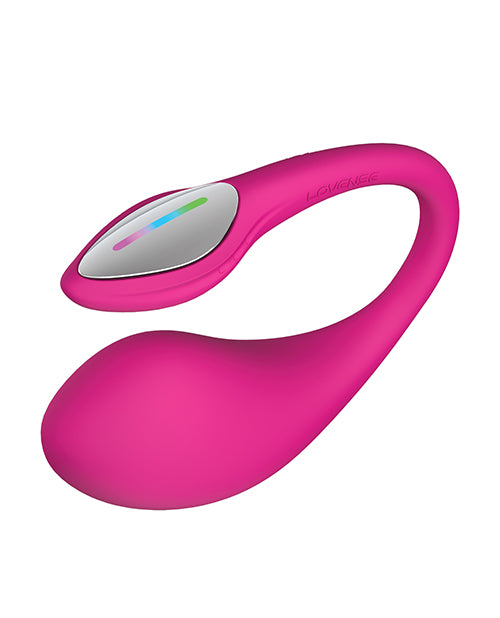
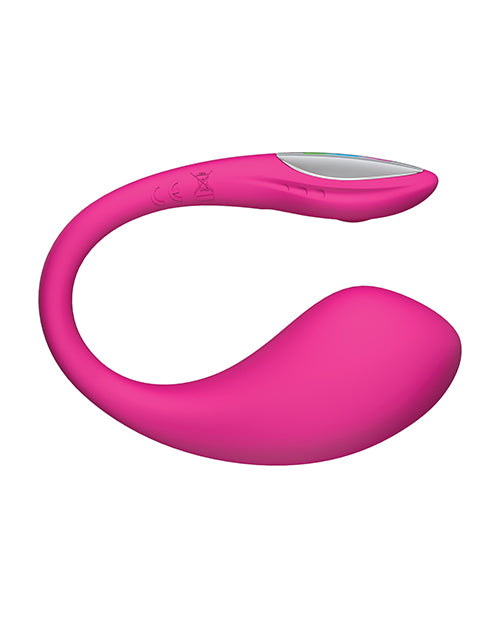
Yes, once you are cleared for sex (usually 6 weeks), toys are safe. In fact, vibrators can be very helpful because they allow you to control the intensity and focus on external pleasure if internal sensation is still tender.
What if I had stitches or a tear?
Scar tissue can be tight and sensitive. Massage the area gently with oil (perineal massage) to help soften the tissue. Go very slow with penetration and give yourself permission to stop if it pulls.
Does C-section recovery affect sex?
Yes. Even though you didn't deliver vaginally, you had major abdominal surgery. Your core muscles are healing, which affects movement. Positions like "spooning" (side-lying) can be more comfortable than missionary, as they put less pressure on the belly.
Does C-section recovery affect sex differently?
Yes. While the vagina didn't stretch, the abdominal muscles were severed. Core strength is compromised, making positions like "cowgirl" (on top) difficult or unstable. Side-lying (spooning) positions are often best for C-section recovery.
What is the difference between pain and discomfort?
Discomfort is a feeling of tightness or mild stretching, which often resolves with relaxation and lube. Pain is sharp, stinging, or burning. Discomfort can be breathed through; pain is a stop signal. Never push through pain.
How do I handle body image issues during sex?
Control the environment. Low lighting, candlelight, or keeping a camisole on can help you feel less exposed while you regain confidence. Focus on the sensation of touch rather than the visual of how you look. Your partner is likely focused on the pleasure of being with you, not the things you are insecure about.
What if I leak milk during sex?
It happens. Oxytocin (the hormone released during orgasm) is the same hormone that triggers the "let-down" reflex for milk. It’s a sign your body is working! Keep a towel nearby or wear a cute nursing bra with pads if it makes you feel more comfortable.
How do I tell my partner I'm just not ready?
Be clear that it's a "Not Now," not a "Not Ever." Say: "I love you and I miss us, but my body feels like a construction zone right now. Can we just cuddle tonight?" This rejects the activity, not the person.