Rewiring Your Brain for Pleasure: The Science of Neuroplasticity and Wellness
Rewiring Your Brain for Pleasure: The Science of Neuroplasticity and Wellness
At Pleasura, we often hear customers say, "I'm just not that sexual anymore," or "I've lost my spark." It’s easy to believe that libido is a fixed trait—something you either have or you don't. But modern neuroscience tells a different story. Your brain is plastic, meaning it can change, adapt, and grow at any age. This guide explores how you can actively rewire your neural pathways to prioritize and experience more pleasure.
The "Use It or Lose It" Principle
Neural pathways are like trails in a forest. The more you walk them, the clearer and wider they become. If you stop walking a path, it becomes overgrown. This is the principle of synaptic pruning. In terms of intimacy, if you spend years prioritizing stress, work, and anxiety, your brain becomes a super-highway for cortisol (stress) and a dirt road for dopamine (pleasure).
However, the reverse is also true. By consciously engaging in pleasurable activities—even small ones—you begin to clear the weeds. You tell your brain: "This pathway is important. Keep it open."
The Pleasura Protocol: A 4-Step Rewiring Plan
We have developed a simple protocol based on cognitive behavioral principles to help you jumpstart this process.
1. Novelty Triggers Dopamine
Doing the same thing in the bedroom for 10 years leads to "habituation." Your brain stops paying attention. You need novelty to wake up the dopamine receptors.
Action: Introduce one new element this week. It doesn't have to be extreme. It could be a new texture, like using a glass wand for temperature play, or simply moving the encounter to a different room. The goal is to make the brain ask, "Ooh, what's this?"
2. The "Savoring" Technique
In our fast-paced world, we rush to the finish line. Neuroplasticity requires attention. You must focus on the sensation for at least 20 seconds for it to register deeply in long-term memory.
Action: During intimacy, pause. Stop moving. Just feel. Verbalize the sensation: "This feels warm," or "I like this pressure." This active noticing cements the neural connection.
3. Safety as a Prerequisite
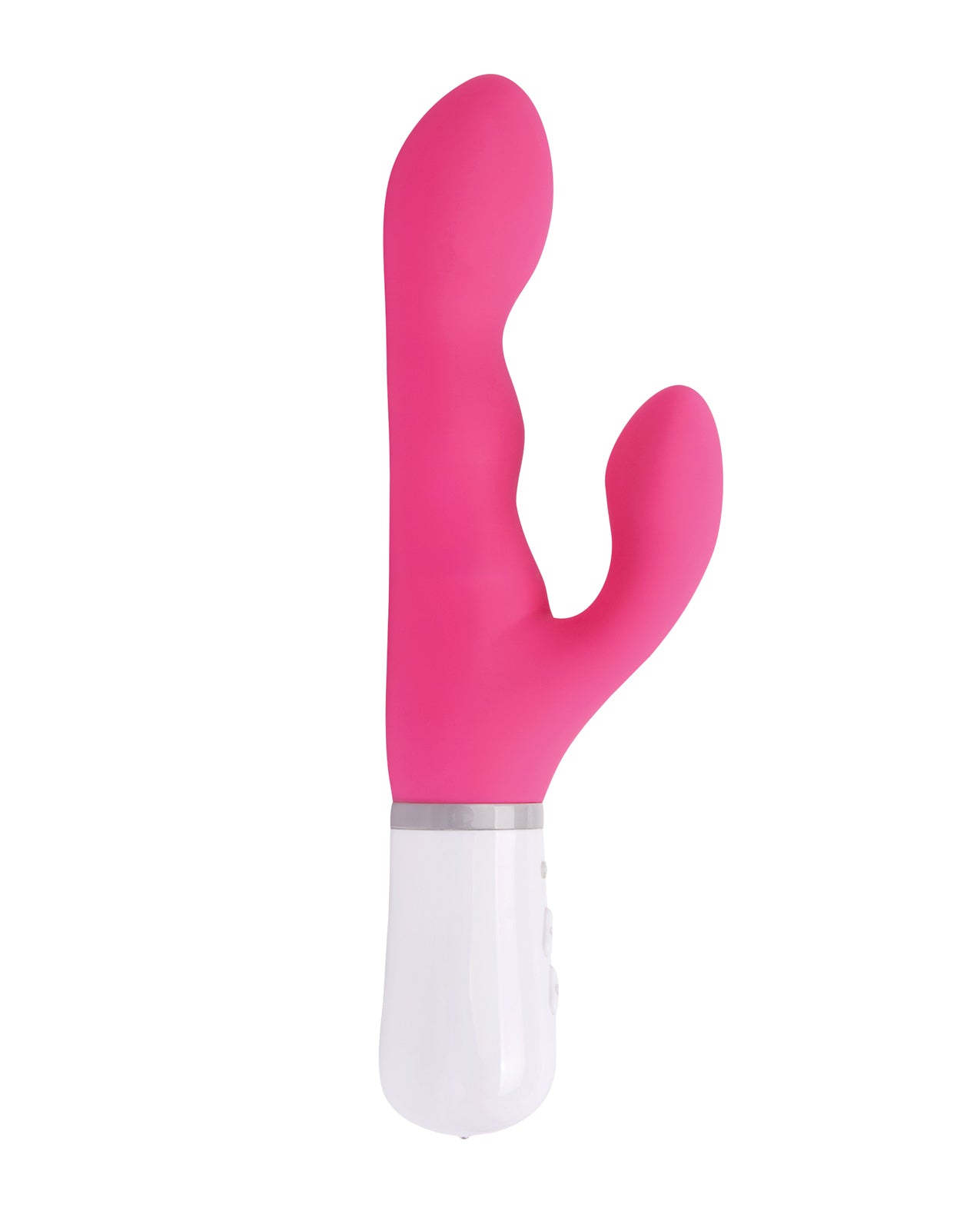
Your brain will not build pleasure pathways if it detects a threat. This is why Pleasura prioritizes body-safe materials. Using a questionable product creates subconscious anxiety ("Is this safe?"). Using a certified medical-grade silicone vibrator allows your "threat detection system" to go offline, giving permission for the pleasure system to take over.
4. Post-Intimacy Reinforcement
What happens after sex is just as important as what happens during it. The "Afterglow" period is washed in oxytocin.
Action: Spend 10 minutes cuddling or talking afterwards. Discuss what went well. This positive reinforcement creates a feedback loop that makes you more likely to want to do it again.
Conclusion
You are not broken. You are just out of practice. Like learning a language or an instrument, pleasure is a skill. With the right tools and the right mindset, you can build a brain that is wired for joy.