Building a Life of Pleasure: A 30-Day Guide to Sustainable Self-Care
Building a Life of Pleasure: A 30-Day Guide to Sustainable Self-Care
We often treat self-care as a "break-glass-in-emergency" measure—something we do only when we are already burnt out. But true wellness is preventive, not reactive. This guide will help you move from sporadic indulgence to sustainable habits.
The Science of Habit Stacking
James Clear, author of Atomic Habits, suggests "habit stacking": adding a new habit to an existing one.
Formula: "After I [Current Habit], I will [New Habit]."
- Morning Stack: After I brush my teeth, I will apply a high-quality body oil.
- Shower Stack: After I wash my hair, I will do 10 kegel exercises.
- Bedtime Stack: After I plug in my phone, I will turn on the diffuser and read for 10 minutes.
The 4-Week Transformation Plan
Week 1: Environmental Detox
You cannot heal in the same environment that made you sick. Spend this week decluttering. Remove work from the bedroom. Buy satin pillowcases. Ensure your lubricant and toys are stored in a clean, accessible pouch, not hidden shamefully in the back of a drawer.
Week 2: Physical Connection
Focus on "sensating." Spend 10 minutes a day just touching your skin without a sexual goal. Use a feather or a glass wand to trace your nerve endings. Map your body.
Week 3: The Tools of Pleasure
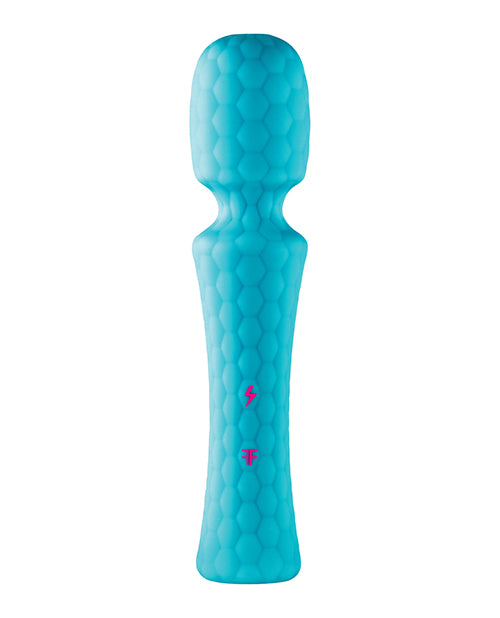
Introduce tools mindfully. Don't rush. This week, try using a bullet vibe on non-genital areas like the neck, inner thighs, or solar plexus. Learn how your nervous system responds to vibration.
Week 4: Integration
Combine it all. Set a "Pleasure Date" with yourself or your partner. Light the candles, put away the phone, and use your tools. Journal afterwards about how you felt.
Overcoming the "Guilt Gap"
Many of us feel guilty for taking time to feel good. This is a societal conditioning. Remind yourself: A relaxed, satisfied version of you is a better partner, parent, and worker. Pleasure refills the tank.
The Role of Dopamine
Inconsistent rewards are addictive, but consistent rewards build safety. By making self-care predictable, you lower your baseline cortisol (stress) and raise your baseline serotonin (happiness).