The Ultimate Guide to Body-Safe Materials: What You Are Really Putting Inside
The Ultimate Guide to Body-Safe Materials: What You Are Really Putting Inside
When it comes to intimate wellness, safety isn't just a buzzword—it is the difference between a pleasurable night and a trip to the doctor. The adult industry is largely unregulated, which means the responsibility falls on you, the consumer, to know your chemistry. This comprehensive guide will teach you everything you need to know about materials, certifications, and hygiene.
The Golden Rule: Porous vs. Non-Porous
Understanding porosity is the most critical concept in toy safety.
Non-Porous Materials (The Safe List)
Non-porous materials have a smooth, sealed surface at the microscopic level. Bacteria, fluids, and mold cannot penetrate them. They can be sterilized.
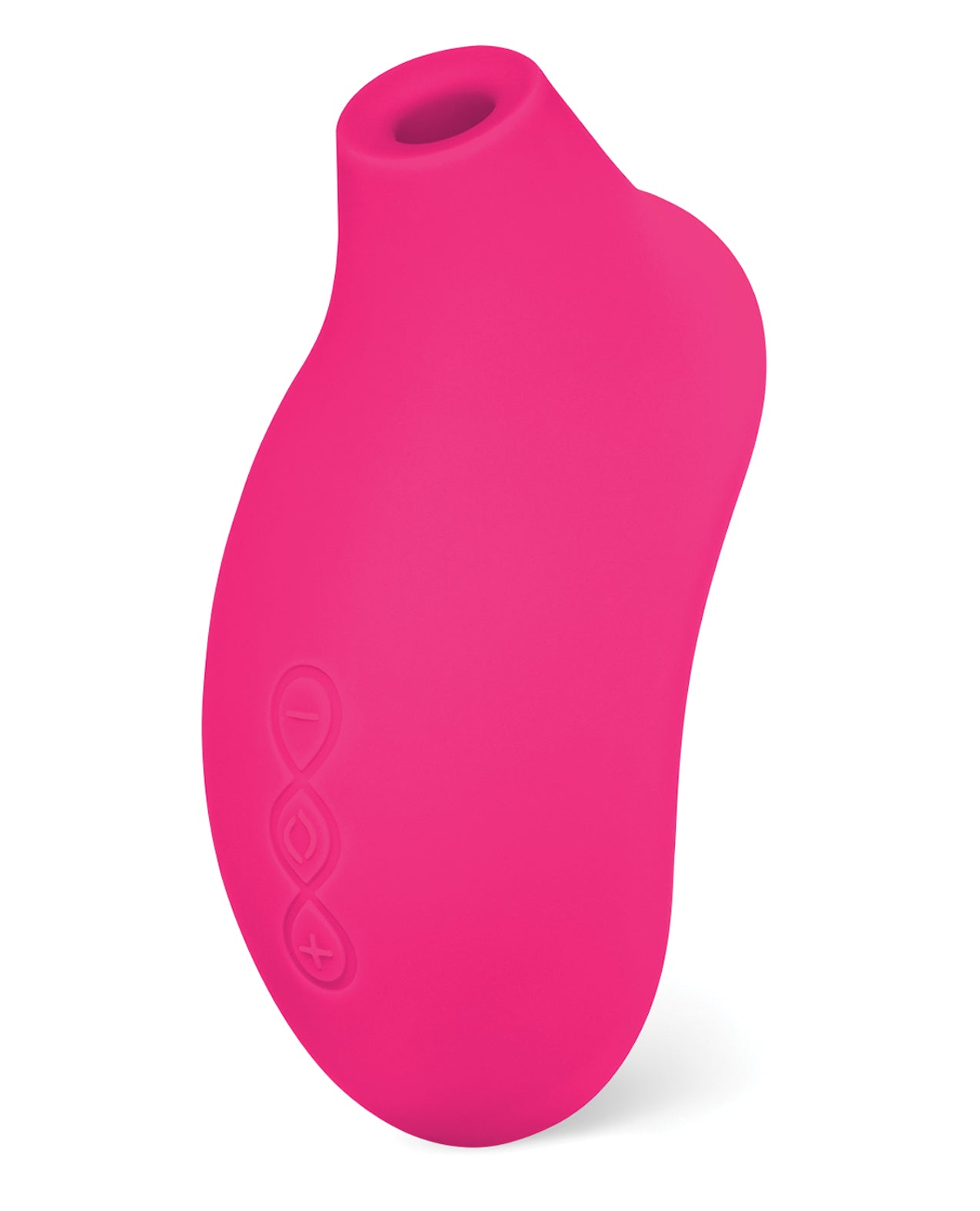
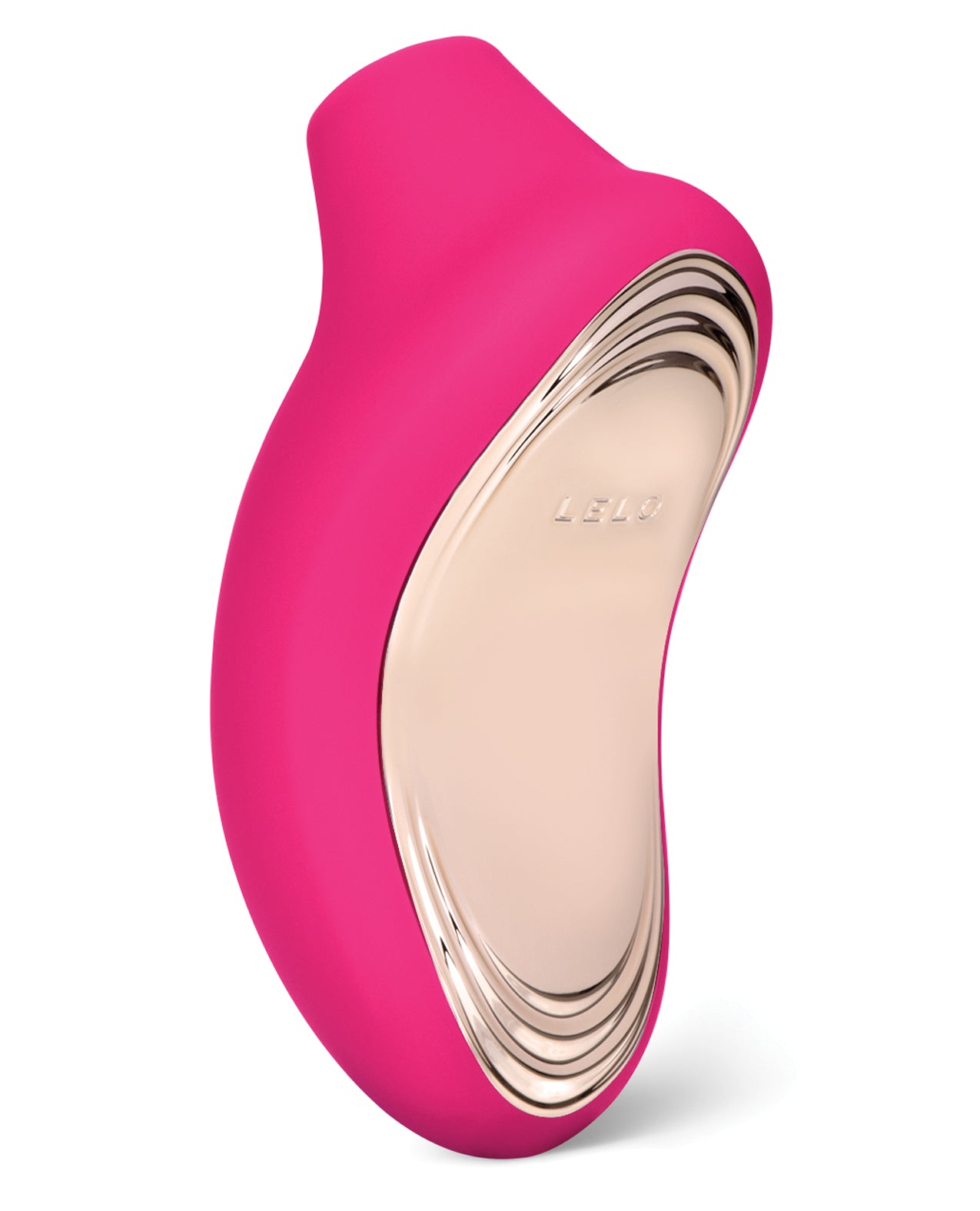
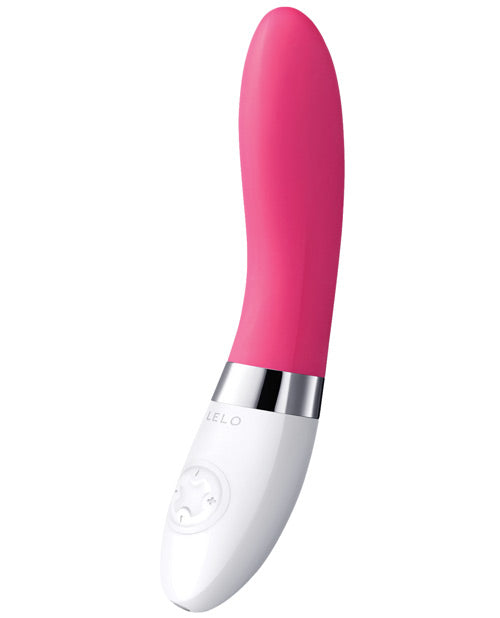
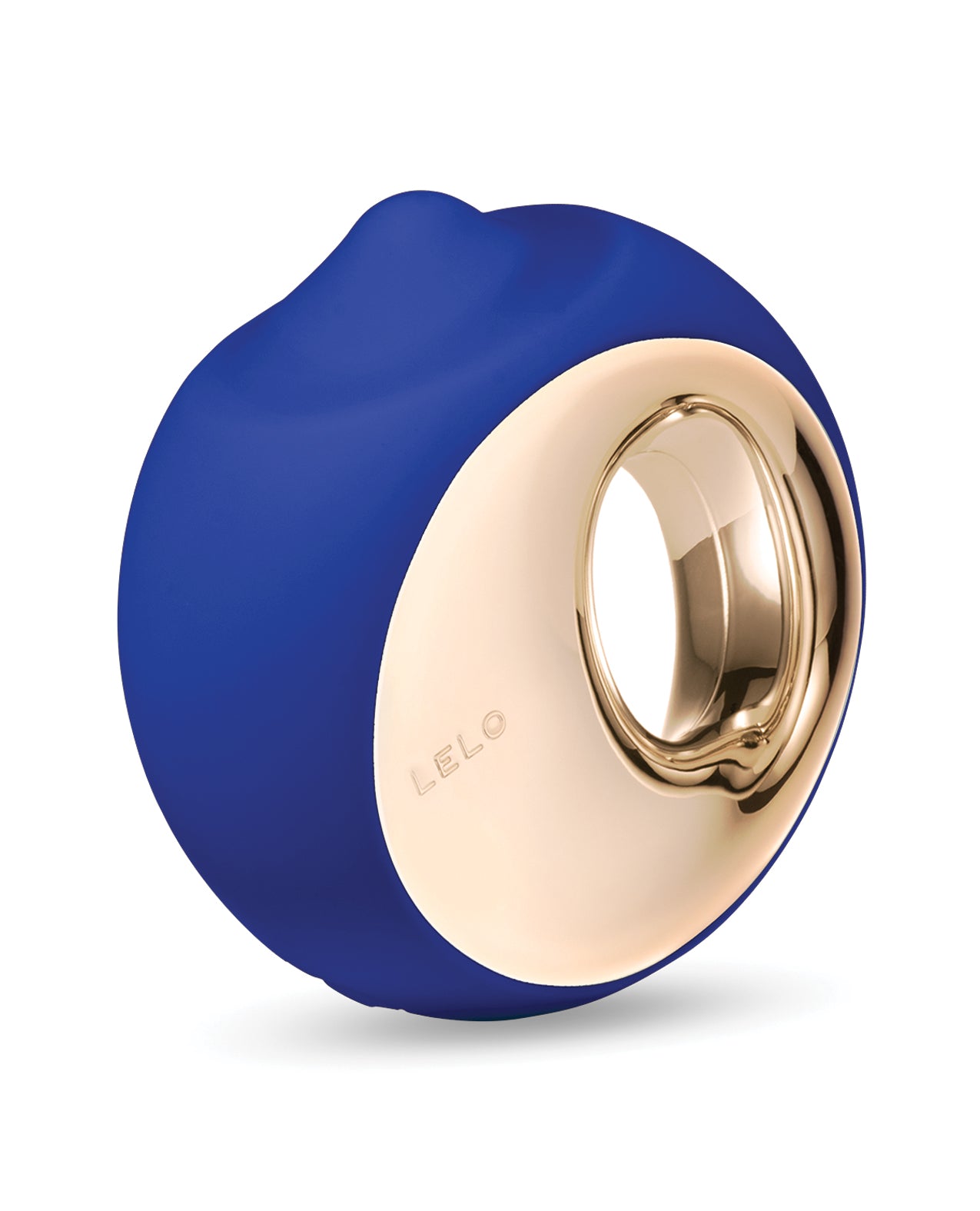
- Medical Grade Silicone: The gold standard. It is hypoallergenic, odorless, warms to body temperature, and is incredibly durable. Note: Silicone comes in grades. "Platinum-cured" is superior to "Peroxide-cured." Brands like LELO use premium silicone that feels like velvet.
- Borosilicate Glass: Often used in pyrex, this glass is shatter-resistant, non-porous, and perfect for temperature play (it holds heat and cold).
- Stainless Steel: Heavy, sleek, and 100% sterile. Steel toys offer a unique weighted sensation and are compatible with all lubes.
- ABS Plastic: A high-quality hard plastic often used in the casing of vibrators like the Womanizer. It is body-safe but rigid.
Porous Materials (The "Avoid" List)
Porous materials have microscopic holes that trap bacteria. No matter how much you scrub, you cannot fully sanitize them.
- Jelly / TPR / TPE: These soft, squishy, translucent toys often smell like chemicals. They contain plasticizers to make them soft. They degrade over time and can cause bacterial vaginosis or yeast infections.
- Rubber: Often contains latex, a common allergen.
The Truth About Phthalates
You will often see the label "Phthalate-Free." But what are phthalates? They are chemical agents added to plastics to increase flexibility. Research links phthalate exposure to endocrine disruption (messing with your hormones), reproductive issues, and liver damage. Pleasura strictly curates a phthalate-free inventory.
Lubricant Compatibility Guide
Mixing the wrong lube with the wrong material can ruin your investment.
- Silicone Toys + Silicone Lube = DISASTER. Silicone lube will bond with a silicone toy, causing it to melt and become bubbly/porous. Never mix them.
- Silicone Toys + Water-Based Lube = SAFE. This is the universal pairing. We recommend Sliquid H2O.
- Glass/Steel/Stone + Any Lube = SAFE. Since these are inorganic, you can use oil, silicone, or water-based lubes freely.
Cleaning Protocols for Longevity
To protect your body and your wallet, follow this cleaning hierarchy:
- Basic Clean: Warm water and fragrance-free antibacterial soap. Scrub for 20 seconds.
- Better Clean: Use a specialized toy cleaner spray. These are formulated to break down biological proteins without damaging the silicone surface.
- Deep Sterilization (Silicone/Glass/Steel ONLY): Boil in water for 3-5 minutes. This kills 99.9% of pathogens. *Do not boil plastic or electronic toys with batteries.*
Conclusion
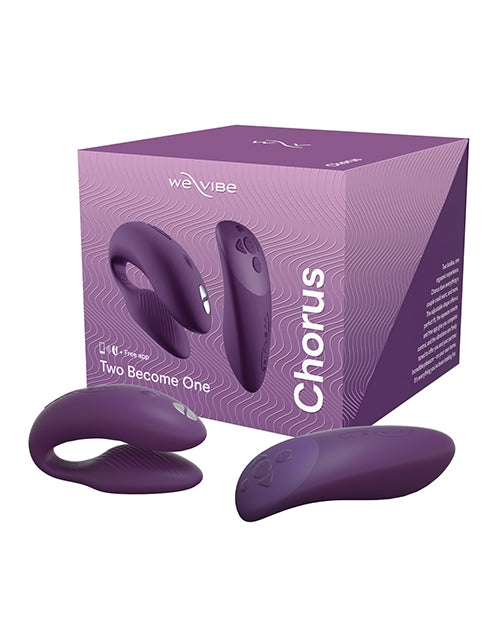
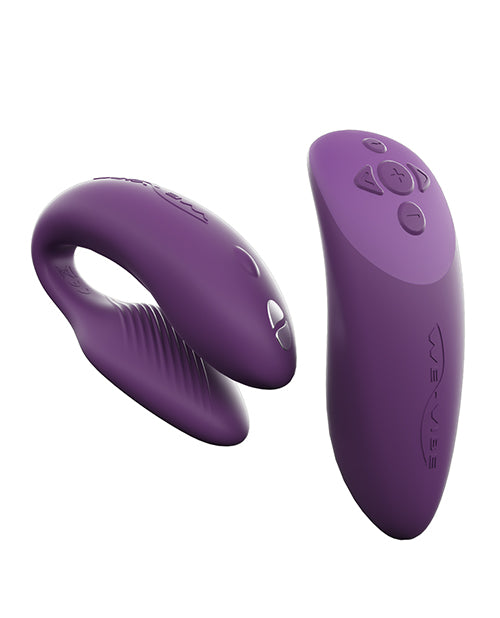
Your body absorbs chemicals through mucous membranes more readily than through regular skin. Investing in high-quality materials from reputable brands like We-Vibe or Lovense is an investment in your long-term health. Don't compromise.