Understanding the Orgasm Gap: Causes, Science, and Real Solutions
Understanding the Orgasm Gap: Causes, Science, and Real Solutions
There is a statistical disparity in modern bedrooms that is too significant to ignore. It’s called the Orgasm Gap. Extensive research over the last decade has consistently shown a stark reality: in heterosexual encounters, cisgender men reach orgasm approximately 95% of the time, while cisgender women reach orgasm only about 65% of the time. In casual hookup scenarios, the gap widens even further.
At Pleasura, we refuse to accept the narrative that women’s bodies are simply "difficult," "mysterious," or "slow." This gap doesn't exist because of biology; it exists because of a lack of education, outdated cultural scripts, and a hesitation to utilize the right tools. Closing this gap isn't just about chasing a physical sensation—it's about equity, communication, and mutual satisfaction.
What This Article Solves
If you feel broken because you cannot climax from penetration alone, or if you are a partner trying to understand why your usual moves aren't working, this article is the roadmap you have been missing. We are dismantling the "Coital Imperative" (the idea that intercourse is the main event) and providing tools to close the gap based on anatomy, not guesswork.
Anatomy of the Gap: Why It Happens
To fix the problem, we must first diagnose it. The root cause of the orgasm gap is often what researchers call the "Coital Imperative"—the mistaken belief that penetration is the "main event" of sex, and everything else is merely "foreplay."
Biologically, this script fails the majority of women. The clitoris, not the vaginal canal, is the center of female pleasure. For most people with a vulva, the clitoris requires consistent, direct, and rhythmic stimulation to reach climax. Expecting a woman to orgasm solely from intercourse is anatomically inefficient. It’s akin to trying to ring a doorbell by knocking on the back door—you’re in the neighborhood, but you aren't hitting the button.
The "Rule of Thumb" Anatomy Lesson: Research suggests that the physical distance between the clitoris and the vaginal opening varies significantly between women. For those with a shorter distance (less than 2.5cm), intercourse might provide enough indirect friction to the clitoral glans. For those with a larger distance, the mechanics of intercourse simply do not engage the clitoris. This isn't a defect; it's just variation, like height or shoe size. Understanding your specific geometry helps you stop blaming your body and start adjusting your technique (or adding tools) to bridge that distance.
The Psychological Factor: Spectatoring
Beyond anatomy, there is a massive psychological component. Masters and Johnson, the pioneers of sex research, coined the term "Spectatoring." This describes the act of mentally detaching from your body during sex to watch yourself from a third-person perspective.
Women are disproportionately socialized to worry about how they look during intimacy: Is my stomach flat? Is my face making a weird expression? Am I taking too long? This mental chatter puts the brain in "evaluation mode" rather than "sensation mode." You cannot critique and climax at the same time. The anxiety of "taking too long" often becomes a self-fulfilling prophecy, killing the arousal needed to finish.
The "Fake It Till You Make It" Trap
Another contributor to the gap is faking. While often done with good intentions—to protect a partner's ego or to simply end a session that isn't going anywhere—faking is fatal to long-term satisfaction. It sends a false data point to your partner: "What you just did worked." If they think it worked, they will keep doing it. Honest, gentle feedback is the only way to break the cycle.
Why We Fake:
- Avoiding Conflict: Faking often feels easier than having a difficult conversation about what isn't working.
- Fatigue: Sometimes, sleep just feels more important than an orgasm.
- Insecurity: Fearing that if we don't climax, our partner will feel inadequate or leave.
Real Solutions: Bridging the Gap
1. Redefining Foreplay
We need to stop viewing oral sex, manual stimulation, and toy play as the "appetizer." For many women, these are the main course. Shifting the goal of sex from "penetration" to "pleasure" relieves the pressure. When the goal is simply to feel good, orgasm often follows naturally.
Practical Tip: Try the "Sandwich Method." Start with oral/manual stimulation until orgasm occurs (or is very close), then move to penetration, and finish with more manual stimulation if needed. This takes the pressure off the intercourse itself to provide the climax.
2. The Bridge Tools
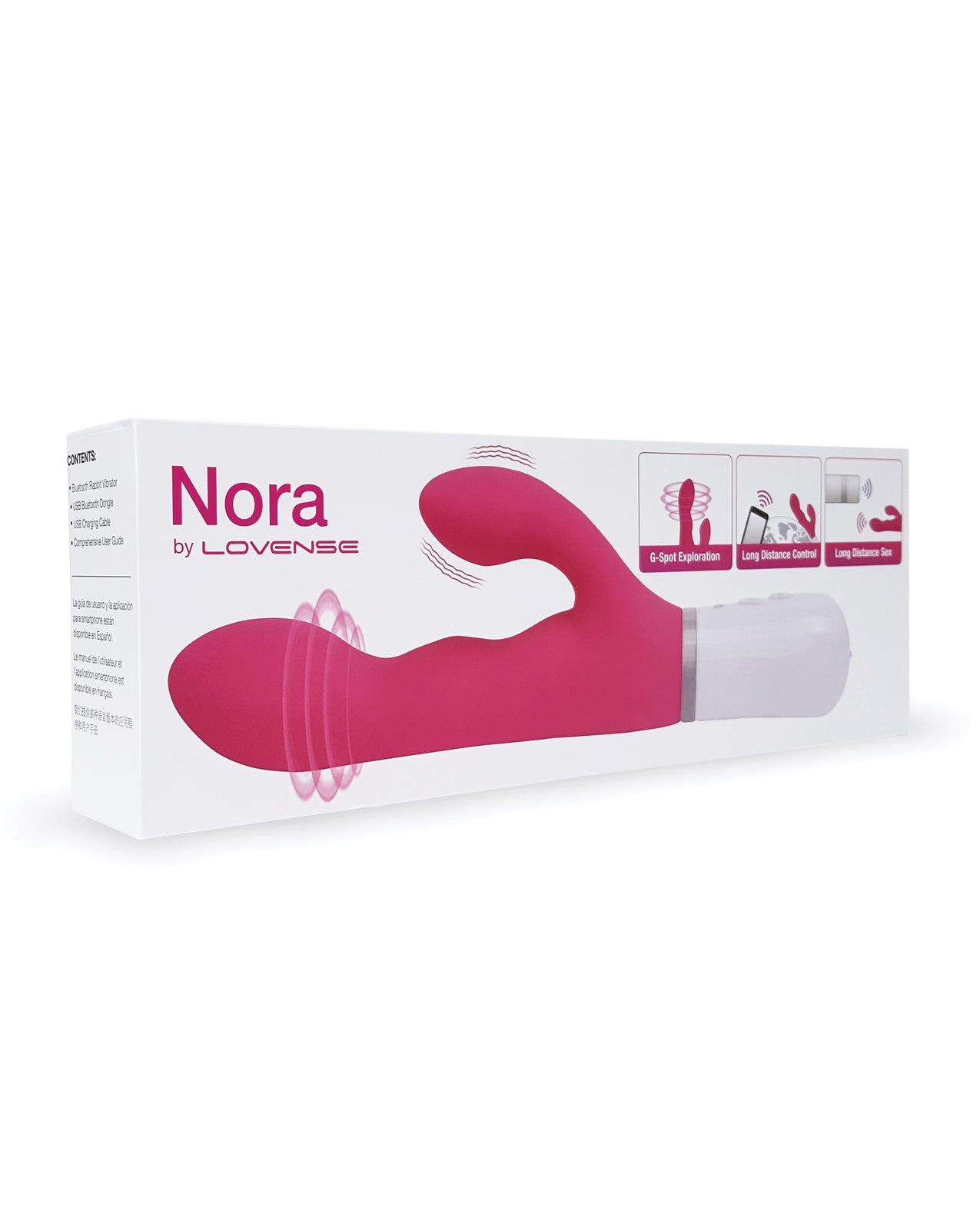
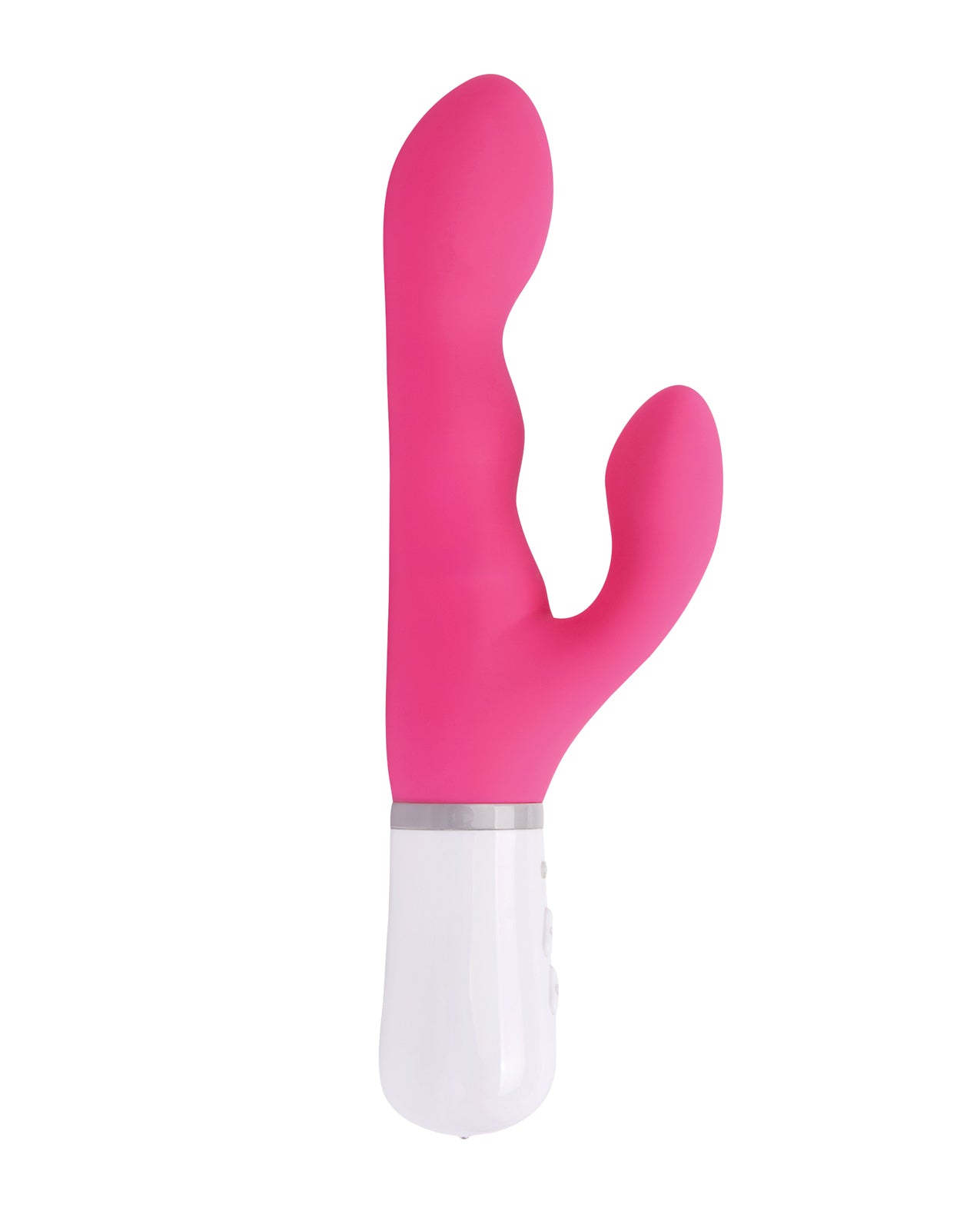
If you enjoy penetration but need clitoral stimulation to reach the peak, you are the perfect candidate for what we call "bridge tools." These are devices designed specifically to integrate into partnered sex without getting in the way.
- Vibrating Rings: These small, stretchy rings sit at the base of the penis. They provide vibration to the clitoris with every thrust, effectively automating the stimulation that is often missing during intercourse.
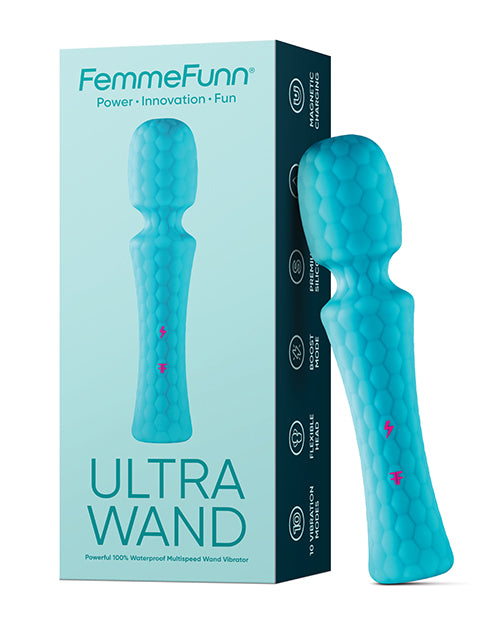
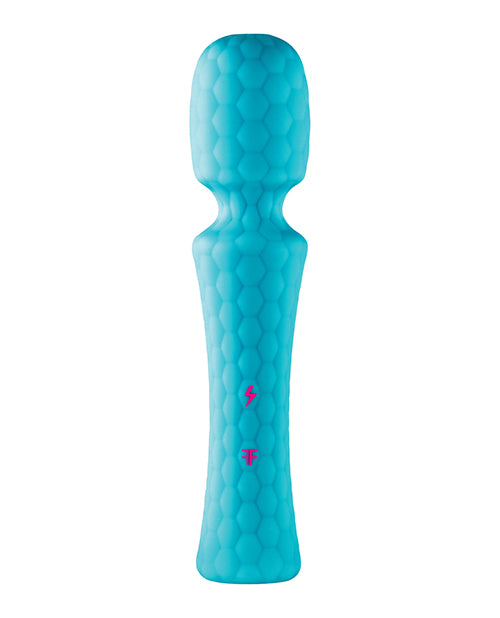
- The Handheld Assist: There is zero shame—and a lot of potential pleasure—in bringing a small bullet vibrator or wand into the mix during sex. Holding a toy against the clitoris during penetration allows the woman to control the rhythm and intensity she needs, removing the pressure from the partner to "rub the right spot" perfectly while moving.
3. Communication Scripts
Telling a partner they aren't hitting the spot can feel awkward. The key is to frame it as "this + that," not "instead of that."
Try saying: "I love the way this feels, and I think I could get all the way there if we added some vibration."
Or: "I need a little more slip to feel comfortable—can you grab the lube?"
Scenario: You are close, but the rhythm changes and you lose it. Instead of silently giving up, say: "Don't stop, that rhythm was perfect, go back to exactly what you were doing." Direct, real-time feedback is the most efficient way to close the gap.
The Micro-Adjustment Technique
Communication doesn't have to mean a sit-down meeting. During intimacy, try using the "Hot/Cold" game logic. Small verbal cues like "Left," "Softer," "Right there," or even non-verbal sounds act as a guidance system. Think of your partner as a pilot flying blind; they need constant data from the tower to land the plane. Silence is not polite; it is confusing.
The Role of Solo Play
You cannot give someone directions to a place you've never been. Solo play is a critical part of closing the orgasm gap. Women who masturbate regularly are statistically more likely to orgasm with a partner. Why? Because they know their own anatomy. They know what pressure, speed, and rhythm works for them. Treat solo play not as a consolation prize, but as research.
Common Mistakes Couples Make
Even well-intentioned couples struggle. Here are a few reasons why:
- Assuming Mind Reading: Your partner cannot feel what you feel. If you want them to move two inches to the left, you have to tell them.
- Quitting Too Soon: Many women require 20+ minutes of stimulation to reach orgasm. Stopping after 10 minutes because "it's taking too long" guarantees the gap persists.
- Goal Orientation: Making the orgasm the only definition of success creates performance anxiety. Paradoxically, focusing on the journey makes the destination easier to reach.
- Expecting Uniformity: Many couples find one position or technique that works once, and then try to replicate it exactly every single time. However, sensitivity changes based on the menstrual cycle, stress levels, and hydration. What worked on Tuesday might feel irritating on Friday. Remain flexible and responsive to the body you are in today.
- Neglecting Non-Genital Arousal: Women often require a "whole body" warm-up. Skipping zones like the neck, inner thighs, and breasts rushes the process. If the body isn't fully aroused, the clitoris doesn't engorge, making orgasm mechanically harder to reach.
Conclusion
The orgasm gap is not a biological destiny. It is a cultural habit that we can break. By centering clitoral pleasure, communicating our needs without shame, and using the tools available to us, we can ensure that pleasure is a shared experience, not a one-sided lottery.
Common Mistakes That Widen the Gap
Closing the gap requires unlearning bad habits. Here are the most frequent errors couples make:
- The "Jackhammer" Approach: Many partners assume that faster and harder is always better. For clitoral stimulation, this can actually cause numbness or pain. Most vulva owners prefer a "slow build" that gradually increases in intensity.
- Stopping Too Soon: When a partner says "I'm close," many men speed up or change the rhythm in an attempt to "help." This is the #1 complaint. Changing the rhythm often resets the progress bar to zero. If they say they are close, don't change a single thing.
- Prioritizing Simultaneous Orgasm: The Hollywood ideal of climaxing at the exact same second is a statistical unicorn. Aiming for it usually means one person holding back (awkward) or the other rushing (stressful). Let them happen when they happen.
Real-Life Scenarios
Scenario A: The "Choreplay" Misunderstanding
The Situation: Mike thinks that doing the dishes is foreplay. He cleans the kitchen and expects his wife, Lisa, to be turned on immediately. Lisa appreciates the clean kitchen, but she still needs 20 minutes of physical warm-up to be ready.
The Fix: Mike learns that reducing Lisa's mental load (dishes) creates the conditions for sex, but it is not the sex itself. He still needs to engage in active foreplay (kissing, massage) to bridge the physical gap.
Scenario B: The Toy Conversation
The Situation: Sarah needs a vibrator to climax but is afraid to ask, thinking her boyfriend Tom will feel inadequate. She fakes it instead.
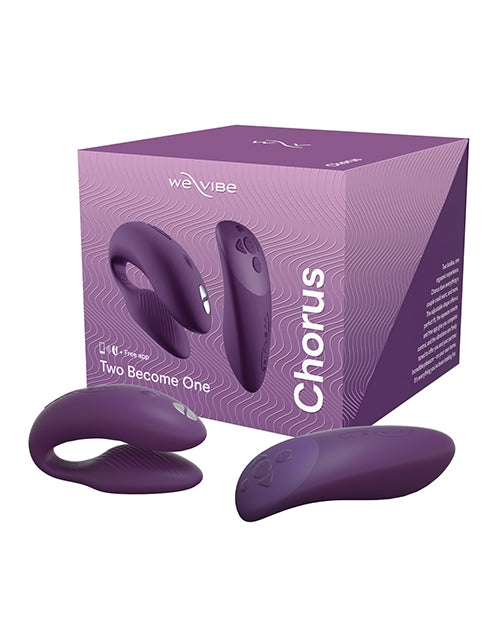
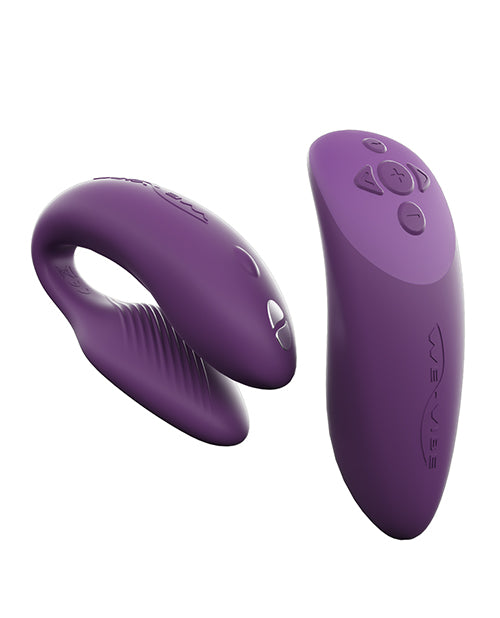
The Fix: Sarah buys a "couples ring" (like the We-Vibe). She introduces it as "something fun for both of us" rather than "something I need because you aren't enough." Tom finds the vibration stimulates him too, and the gap closes without bruised egos.
When This Advice May Not Be Enough
Sometimes, the gap is not about technique, but about physiology or deep psychology:
- Pelvic Floor Dysfunction: If orgasm is painful or feels "muted," you may have a hypertonic (too tight) or hypotonic (too weak) pelvic floor. A pelvic floor physical therapist can work wonders here.
- Past Trauma: Sexual trauma can cause the body to "freeze" or dissociate during intimacy, making orgasm impossible. Trauma-informed therapy is essential in these cases.
- Primary Anorgasmia: If you have never had an orgasm alone or with a partner, this often requires a structured "directed masturbation" program, often guided by a sex therapist, to map your neural pathways for the first time.
Frequently Asked Questions
Is it normal to take a long time to orgasm?
Yes. The physiological arousal curve is different for everyone. On average, women take about 20 minutes of active stimulation to reach orgasm, while men take 5-7 minutes. This "time gap" is real. Using toys can help bridge this timeline, or simply accepting it can remove the anxiety of "hurrying."
Does penis size affect the orgasm gap?
Generally, no. Research shows little correlation between penis size and female orgasm rates. Technique, emotional connection, and clitoral stimulation are far more predictive of satisfaction than size.
What if I've never had an orgasm?
This is known as primary anorgasmia, and it is more common than you think. It is not a disease. Start by exploring your body alone, perhaps with a broad, gentle massager, without the pressure of a partner present. Learn what feels good without the goal of climaxing.
Why is it easier to orgasm when I'm on top?
Position matters. Being on top often gives you control over the angle, depth, and speed of penetration, and crucially, it often allows for better clitoral contact against your partner's body. It puts you in the driver's seat of your own pleasure.
Can antidepressants cause the gap?
Yes, SSRIs and other medications can have the side effect of delayed orgasm or difficulty reaching climax. If this is affecting your relationship, talk to your doctor. Sometimes adjusting the dosage or adding a strong vibrator to your routine can help overcome the chemical barrier.
Is it okay if I never orgasm from penetration?
Absolutely. You are in the majority. Only about 18-25% of women reliably orgasm from intercourse alone. For the rest, clitoral stimulation is necessary. There is nothing "broken" about you; you just have normal anatomy.
How do I bring up using toys without hurting his feelings?
Frame it as an enhancement, not a replacement. Say, "I want to feel you inside me AND feel this sensation at the same time." It emphasizes that you want more stimulation, not a different partner.
Does menopause affect the orgasm gap?
It can widen it if not addressed. Lower estrogen can lead to thinner tissues and reduced sensitivity, meaning it might take longer or require more intense stimulation to climax. This is a normal shift. Increasing lubrication and using stronger vibrations often compensates for these changes effectively.
Can my partner's technique be "fixed"?
Absolutely. Most "bad" technique is simply a lack of data. If you have never shown them exactly what you need (perhaps by guiding their hand or masturbating in front of them), they are guessing. Education fixes technique faster than criticism ever will.
Can clitoral atrophy prevent orgasm?
Yes. If the clitoris isn't stimulated regularly (either through sex or masturbation), the tissue can atrophy (shrink) and become less sensitive, especially after menopause. "Use it or lose it" applies here. Regular stimulation increases blood flow and maintains tissue health.
Are multiple orgasms a myth?
No, but they aren't a standard requirement. Many women have a very short refractory period (recovery time) and can climax again quickly. However, for others, the clitoris becomes hypersensitive and painful immediately after. Listen to your body.
Does the G-spot actually exist?
It’s not a separate button. The "G-spot" is actually the internal root of the clitoris swelling and pushing against the vaginal wall. Stimulating it creates a different, deeper sensation than external touch, but it is all part of the same clitoral network.