Do Aphrodisiacs Really Work? Science, Myths, and What Actually Boosts Desire
Do Aphrodisiacs Really Work? Science, Myths, and What Actually Boosts Desire
For centuries, humans have been obsessed with finding the magic bullet for desire. From ancient Roman banquets featuring oysters by the bucketful to the modern wellness aisle stocked with maca root and mysterious herbal blends, the search for the ultimate aphrodisiac is as old as intimacy itself. We want to believe that a single food or pill can instantly ignite passion, erase stress, and transform a quiet Tuesday night into an event to remember.
But how much of this is rooted in biological fact, and how much is simply hopeful folklore? At Pleasura, we believe in approaching wellness with a blend of curiosity and scientific rigor. The reality of libido is far more complex—and fascinating—than a simple chemical switch. Desire is a delicate ecosystem involving hormones, blood flow, neurological pathways, and, perhaps most importantly, your state of mind. In this comprehensive guide, we are going to dissect the most famous aphrodisiac myths, explore the ingredients that actually have clinical backing, and offer you a roadmap to boosting desire that goes beyond the dinner plate.
Who This Article Is For
This guide is written for individuals and couples who feel their desire has plateaued and are looking for natural, sustainable ways to reignite the spark. Whether you are dealing with stress-induced low libido, age-related changes, or simply the boredom of routine, this article cuts through the marketing hype to explain the biological and psychological levers of desire.
The Physiology of Desire: How Libido Actually Works
To understand if an aphrodisiac works, we first need to understand what "working" actually means. Libido isn't a single organ; it's a symphony. For arousal to happen, several systems must align:
- The Circulatory System: Blood flow is non-negotiable. Physical arousal relies on vasodilation—the widening of blood vessels. This allows blood to engorge tissues, creating sensitivity and physical readiness. If your heart health is compromised, your sexual health often follows.
- The Endocrine System: Hormones are the messengers. Testosterone (present in everyone) drives libido, while estrogen and progesterone play cyclical roles. Stress hormones like cortisol act as a dampener, effectively telling the body "it's not safe to be vulnerable right now."
- The Neurochemical System: This is the brain's reward center. Dopamine drives the craving and anticipation, while oxytocin drives the bonding and connection. Without these neurotransmitters firing, the physical mechanics might work, but the emotional drive won't be there.
Deep Dive: The Role of Nitric Oxide. You cannot talk about blood flow without mentioning Nitric Oxide (NO). This is the molecule that tells your blood vessels to relax and open up. Many successful "aphrodisiacs" (like beets, dark leafy greens, and L-Arginine supplements) work simply because they support NO production. If your body isn't producing enough NO, physical arousal becomes mechanically difficult, regardless of your mood.
The Psychology of Expectation
Before we dive into specific foods, we must address the "Placebo Effect." In sexual medicine, the placebo effect is incredibly powerful. If you believe eating a fig will make you sexy, your brain releases dopamine in anticipation. This psychological shift can be enough to trigger physical arousal. Is it the fig, or is it the belief? In the end, if the result is better intimacy, does it matter?
Real-Life Scenario: Consider a couple on a date. They order a seafood tower, believing oysters are an aphrodisiac. They laugh, feed each other, and talk about the "effects" they are supposedly feeling. The shared ritual and the playful conversation create connection. The oysters didn't chemically cause the arousal, but the experience of eating them did.
The Science of Novelty: Dopamine's Best Friend
Before we analyze food, we must analyze the brain's craving for the new. Dopamine is often called the "pleasure chemical," but it is arguably more accurate to call it the "anticipation chemical." It spikes when we encounter something novel.
In long-term relationships, the "aphrodisiac" you might be missing isn't a substance; it's a surprise. Doing the same thing in the bedroom for ten years creates neural habituation—your brain stops paying attention. Introducing a new element—whether it's a different location, a new toy, or even a new conversation topic—triggers the same dopamine pathways that chocolate or oysters attempt to hijack. The most potent aphrodisiac is often a break in the routine.
The Famous Foods: Separating Fact from Fiction
1. Oysters
The Myth: The legend of Casanova eating 50 oysters for breakfast has cemented this bivalve as the king of sexy foods.
The Science: There is a grain of truth here. Oysters are incredibly rich in zinc. Zinc is a critical mineral for the production of testosterone and healthy sperm. A deficiency in zinc can absolutely lower libido. However, eating a dozen oysters right before a date won't act like a pharmaceutical performance enhancer. It acts more like a vitamin: essential for long-term maintenance, but not an instant switch.
The Verdict: Beneficial for long-term health, but largely a placebo in the moment.
2. Chocolate
The Myth: A box of chocolates is the universal symbol of romance for a reason, right?
The Science: Dark chocolate contains phenylethylamine (PEA), a compound often called the "love drug" because it releases endorphins similar to those produced when falling in love. It also contains tryptophan, a precursor to serotonin. However, studies show that most of the PEA in chocolate is metabolized by the stomach before it ever reaches the brain. The real aphrodisiac effect of chocolate is likely sensory: the texture, the taste, and the association with indulgence and reward.
The Verdict: A delicious mood booster, but not a physiological stimulant.
3. Chili Peppers
The Myth: Spicy food heats up the body, so it must heat up the bedroom.
The Science: This one is surprisingly effective. Capsaicin, the chemical that gives peppers their heat, triggers a physiological response: increased heart rate, sweating, and flushed skin. These physical symptoms mimic the signs of sexual arousal. This "flush" can trick your brain into feeling energized and turned on. Plus, the endorphin rush from the "pain" of the spice can be a mood lifter.
The Verdict: Effective at mimicking arousal and increasing blood flow.
Common Mistakes When Trying to Boost Libido
When people feel their drive slipping, they often panic and make choices that sabotage their goals. Here are common pitfalls:
- Over-reliance on Alcohol: A glass of wine might help you relax, but a bottle will numb your nervous system. Alcohol is a central nervous system depressant. It might lower inhibitions, but it raises the threshold for orgasm and can cause erectile difficulties.
- Ignoring the Relationship Context: No amount of herbal supplements will fix a libido issue caused by unresolved resentment or lack of emotional safety. If you are angry at your partner for not doing the dishes, your body will not respond to them, regardless of what you ate for dinner.
- Expecting Instant Results: Biological changes take time. Starting a zinc or maca regimen requires weeks of consistency to show hormonal benefits. Patience is key.
True Aphrodisiacs: Scent and Touch
While food is often hit-or-miss, other senses offer a more direct highway to the brain's pleasure centers.
The Olfactory Connection
Your sense of smell is the only sense directly connected to the limbic system—the part of the brain that controls emotion and memory. This is why a specific perfume can instantly transport you back to a high school crush. Aromatherapy leverages this connection. Scents like Ylang Ylang, Sandalwood, and Jasmine have been shown in studies to relax the central nervous system and reduce anxiety.
Using a massage candle infused with these essential oils does double duty: the scent lowers cortisol (stress), while the warm oil invites touch.
The Power of Touch
We often underestimate the most potent aphrodisiac of all: skin-to-skin contact. Touch releases oxytocin, the "cuddle hormone." If you are in a dry spell, stop looking for a pill and start looking for connection. A non-sexual back rub, holding hands, or simply cuddling can jumpstart the neurochemical pathways that lead to desire.
Practical Tip: Try the "20-Second Hug." Research suggests that hugging for 20 seconds or longer triggers a significant release of oxytocin and a drop in cortisol. It’s a free, instant aphrodisiac you can use every day.
Modern Wellness: When Biology Needs a Nudge
Sometimes, the barrier to desire isn't nutritional—it's mechanical or stress-related. Modern life is exhausting, and by the end of the day, the brain might be willing, but the body is tired. This is where modern wellness tools can bridge the gap.
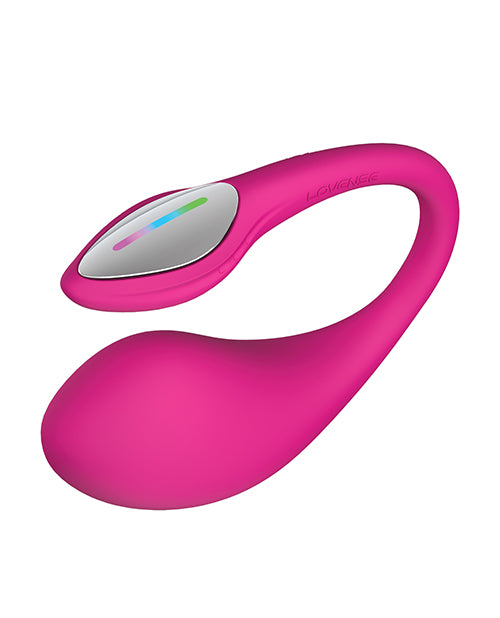
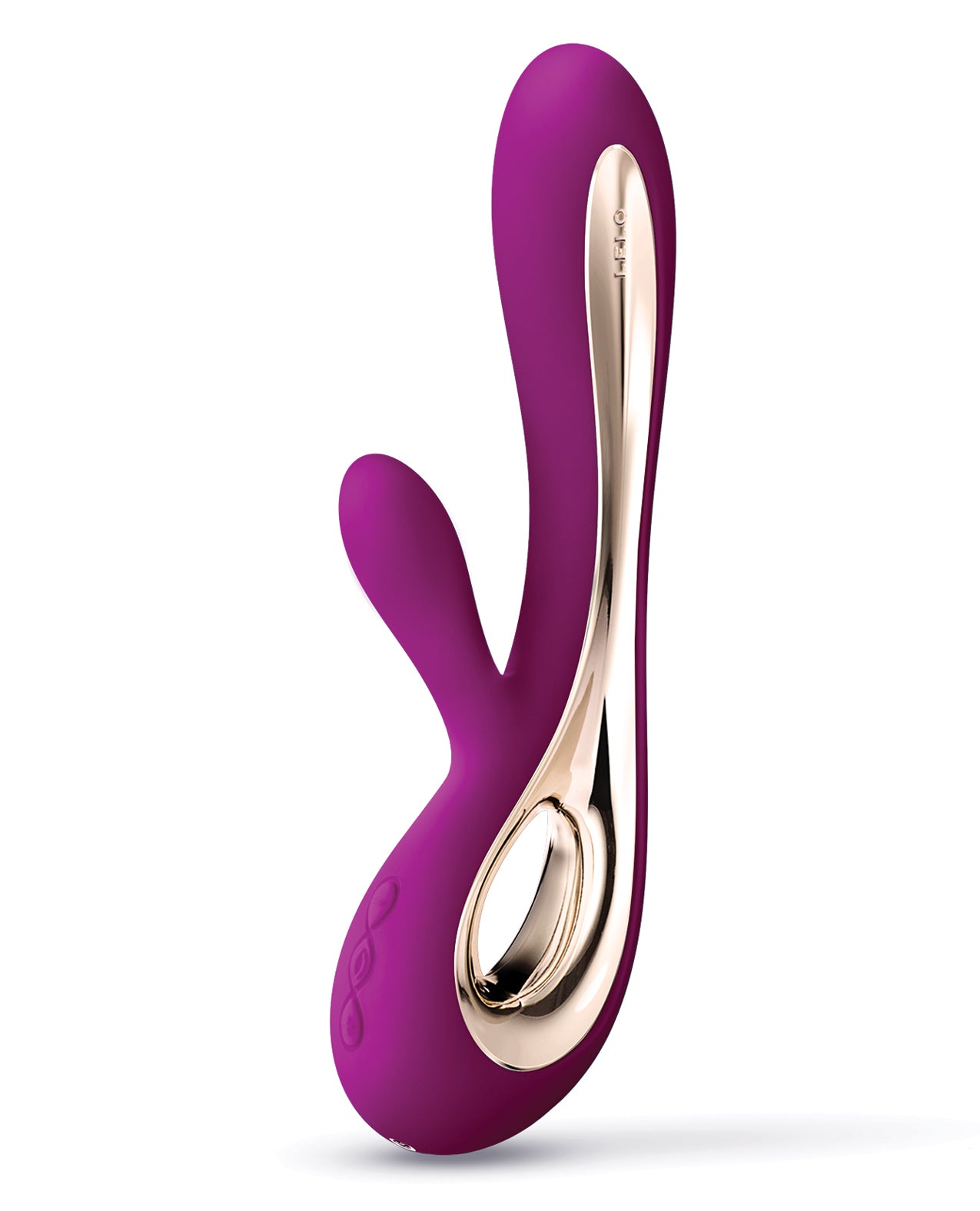
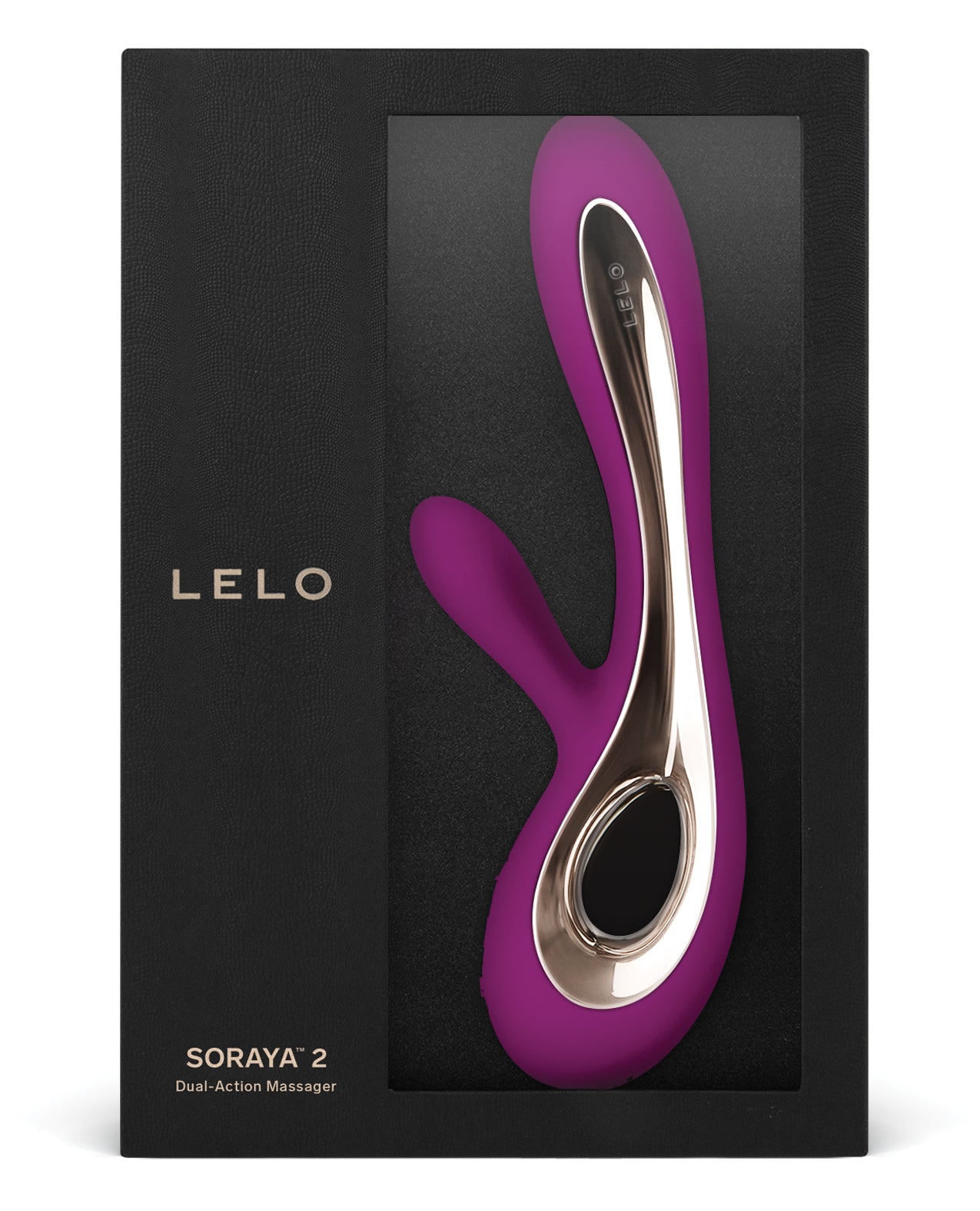
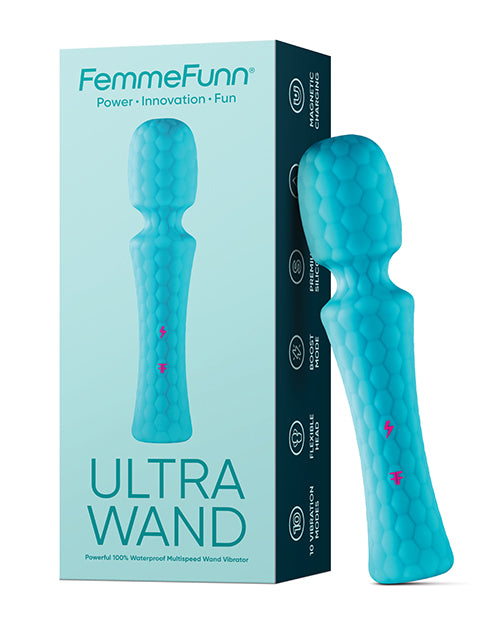
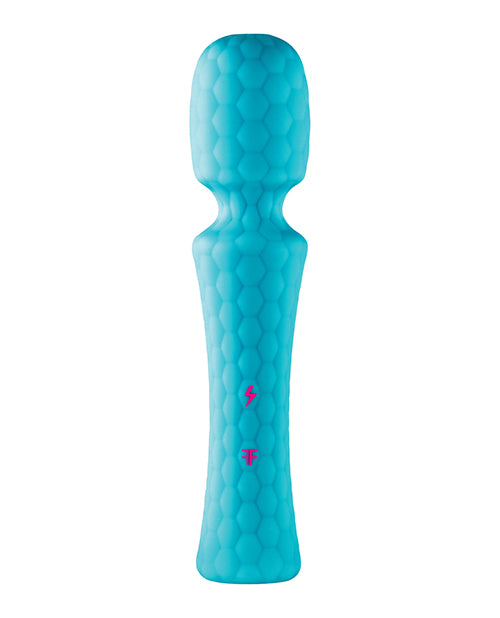
For many people, especially those on medications like SSRIs which can blunt sensation, mechanical stimulation can be a game-changer. High-quality body massagers that offer deep, rumbly vibrations can stimulate blood flow to the pelvic region much faster than the body can do on its own. This physical awakening often sends a signal back to the brain: "Oh, right, this feels good."
The Ultimate Aphrodisiac: Relaxation
If we had to bottle the most effective aphrodisiac in the world, it would be labeled "Stress Relief." You cannot be in "fight or flight" mode (sympathetic nervous system) and "rest and digest" mode (parasympathetic nervous system) at the same time. Sexual arousal lives in the latter.
If you want to boost your libido, the most effective strategy isn't eating an oyster; it's clearing your schedule. It's locking the door, putting the phone in another room, and creating a container of safety where your brain knows it won't be interrupted. Safety is the prerequisite for vulnerability, and vulnerability is the gateway to pleasure.
Common Mistakes When Trying to Boost Libido
Even with the best intentions, many people accidentally sabotage their drive. Here are the most common pitfalls we see at Pleasura:
- The "Liquid Courage" Trap: Relying on alcohol to lower inhibitions is a classic mistake. While a glass of wine can relax you, alcohol is a depressant. It numbs the nervous system, making it harder to maintain an erection or reach orgasm. It effectively raises the threshold for stimulation.
- Ignoring the "Contextual" Libido: Women, in particular, often have "contextual" desire. This means that if the sink is full of dirty dishes or there is unresolved tension about finances, no amount of oysters will override the stress. Ignoring the environment is a recipe for failure.
- Expecting passive results: Swallowing a supplement and waiting for an erection is not how libido works. Supplements support the system, but you still need mental engagement and physical stimulation to start the engine.
- Neglecting Sleep Hygiene: It is biologically impossible to have a high libido if you are sleep-deprived. Testosterone production occurs primarily during REM sleep. If you are cutting sleep to make time for date night, you are actively working against your own hormones. Prioritize eight hours of rest as your foundational aphrodisiac.
- Overlooking "Brakes" while pressing the "Accelerator": You can take all the boosters (accelerators) you want, but if you have stress, shame, or resentment (brakes) jammed on, you won't go anywhere. Dealing with the "brakes" is often more effective than piling on more "accelerators."
Real-Life Scenarios
Scenario A: The Pressure Cooker
The Situation: Mark cooks a fancy dinner with oysters, chocolate lava cake, and wine. He expects sex. His partner, Sarah, feels the weight of this expectation the moment she sits down. The "transactional" nature of the meal ("I bought oysters, so you owe me sex") creates anxiety. Result? Libido shuts down completely.
The Fix: Remove the expectation. If Mark had said, "I made this just because I love you, no strings attached," the safety would have likely allowed Sarah's desire to surface naturally.
Scenario B: The Sensory Reset
The Situation: Jenna feels "touched out" and unsexy after work. Instead of trying to force mood with food, she takes a 20-minute bath with Ylang Ylang oil. She tells her partner she needs 30 minutes of "me time" before dinner.
The Result: The sensory shift from "work mode" to "body mode" via the bath acts as a stronger aphrodisiac than any pill. She emerges reconnected to her own skin.
When This Advice May Not Be Enough
While lifestyle changes and "natural" aphrodisiacs work for many, they are not a cure-all. There are times when professional help is needed:
- Hormonal Imbalances: Low testosterone (Low-T) in men or thyroid issues in women can physically prevent libido, regardless of your mindset. A blood test is the only way to know.
- Medication Side Effects: SSRIs (antidepressants), blood pressure medication, and hormonal birth control are notorious for killing drive. Never stop medication without a doctor's advice, but do ask about alternatives (like Wellbutrin).
- HSDD (Hypoactive Sexual Desire Disorder): If you have a complete lack of desire that causes you distress and has lasted for 6 months or more, this is a recognized medical condition that may require therapy or FDA-approved medications (like Addyi or Vyleesi).
Frequently Asked Questions
Do pheromone perfumes actually work?
The science on human pheromones is still hotly debated. While animals clearly use chemical signals to attract mates, it is unclear if humans have a functioning vomeronasal organ to detect them. However, if wearing a "pheromone" perfume makes you feel sexier and more confident, that confidence itself acts as a powerful aphrodisiac.
Can certain lubricants act as aphrodisiacs?
Indirectly, yes. Some lubricants are formulated with arousal-boosting ingredients like peppermint or niacin, which increase blood flow and tingling sensations. More importantly, using a high-quality lubricant removes the fear of pain or discomfort, which is the biggest libido killer of all.
Are there any herbal supplements with real evidence?
Some herbs like Maca Root, Panax Ginseng, and Tribulus Terrestris have shown promise in small clinical trials for boosting energy and libido, particularly in men or post-menopausal women. However, always consult a doctor before starting any supplement regimen, as they can interact with other medications.
Why does alcohol seem to help initially but hurt later?
Alcohol is a depressant. In small amounts, it lowers inhibitions (the "liquid courage" effect), which can make initiating intimacy easier. However, physically, it is a sedative. It dehydrates the body, decreases blood flow, and can make reaching climax significantly harder. It's a double-edged sword.
Is low libido always a medical issue?
Rarely. While it can be hormonal, "low libido" is often a rational response to context. If you are stressed, tired, feeling unheard by your partner, or overworked, your body is doing exactly what it's supposed to do: prioritizing survival over reproduction. Fixing the context often fixes the libido.
Does exercise help with libido?
Absolutely. Exercise is arguably the best physiological aphrodisiac. It improves cardiovascular health (better blood flow), boosts testosterone levels naturally, reduces stress, and improves body image. Even 20 minutes of cardio can have an immediate positive impact on sexual responsiveness.
Can dehydration affect my sex drive?
Yes. Dehydration leads to fatigue, headaches, and decreased blood volume, making erection and lubrication harder to achieve. Staying hydrated is the simplest, cheapest way to support your sexual health.
Does age affect how aphrodisiacs work?
Yes. As we age, our circulation and hormone levels naturally decline. This means older adults may see more benefit from "circulatory" aphrodisiacs like L-Arginine or Ginseng (which boost blood flow) compared to younger adults who might just need stress relief.
Is there a difference between male and female aphrodisiacs?
Marketing often separates them, but the biology is similar. Both sexes need blood flow and testosterone for drive. However, women often respond better to "relaxation" aphrodisiacs (lowering cortisol), while men may prioritize "blood flow" boosters.
Can cannabis act as an aphrodisiac?
For some, yes. Cannabis can lower anxiety and heighten sensory perception, making touch feel more intense. However, strains matter—too much can lead to "couch lock" or paranoia, which kills the mood. It is highly individual.
Is it safe to combine different herbal supplements?
Proceed with caution. While herbs are natural, they are bioactive. Combining multiple blood-flow boosters (like Ginseng and Ginkgo Biloba) can potentially lower blood pressure too much or cause heart palpitations. It is always smarter to introduce one supplement at a time for 2-4 weeks to gauge its effect before stacking another on top.
How fast do natural aphrodisiacs work?
Unlike pharmaceutical interventions which work in 30-60 minutes, nutritional or herbal aphrodisiacs are slow-burners. They work by building up nutrient levels or balancing hormones. Expect to see results in 4-6 weeks of consistent use, not 4-6 hours.